Antarctica may feel geographically detached from ordinary government, but expedition ships do not sail into a legal vacuum. The 2025–2026 season recorded 85,195 visitors who went ashore and another 27,217 cruise-only passengers, according to figures cited from the International Association of Antarctica Tour Operators, or IAATO. Nearly 12,000 more travelers used air-cruise operations through King George Island, adding another layer of pressure to a system already dealing with more ships and more complicated operations. Out on the water, regulation becomes something physical: the growl of Zodiac engines, cold spray against waterproof clothing and passengers waiting aboard because only a limited group can land. The rules behind those moments come from several authorities rather than one Antarctic regulator.
That fragmented structure is one of the defining characteristics of Antarctic cruising. Operators may have to satisfy requirements arising from the Antarctic Treaty System, national authorization procedures, the International Maritime Organization's Polar Code, the laws of the vessel's flag state and IAATO operating standards. Which requirements apply can depend on where the expedition company is organized, where the voyage originates and which flag flies from the ship's stern. Insurance contracts, passenger agreements and maritime liability law can introduce further complications after an accident. A straightforward-looking expedition can therefore rest on a dense administrative structure that passengers rarely notice until weather, injury or an operational problem disrupts the plan.
Antarctica Has No Single Tourism Regulator
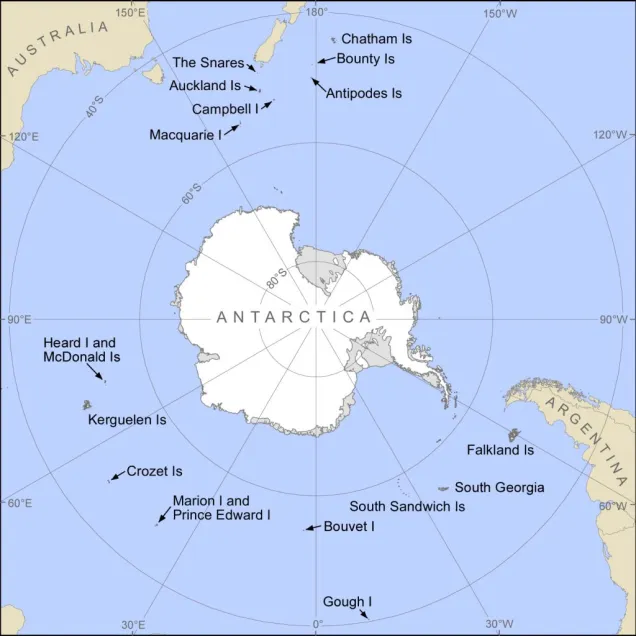
The Antarctic Treaty of 1959 sits at the center of this framework, supplemented by the Protocol on Environmental Protection signed in 1991 and commonly known as the Madrid Protocol. Activities planned within the Antarctic region south of 60°S are subject to environmental impact assessment requirements, while Treaty Parties regulate qualifying expeditions connected to their territory or nationals. Authorization therefore begins well before passengers smell the salt air of the Southern Ocean or start pulling on insulated boots. A company cannot simply point a polar-capable vessel south and decide where to land after arrival. Permits, environmental considerations and national procedures must already correspond with the intended operation.
The Antarctic Treaty Consultative Meetings complicate the picture in a useful but sometimes cumbersome way. Consultative Parties can agree on binding Measures, yet those Measures do not automatically become effective merely because they were adopted at a meeting; domestic approval by all Consultative Parties is required for entry into force. Resolutions operate differently because they are nonbinding, though they can still shape expected behavior. This produces an unusual mixture of enforceable obligations and influential guidance, with operators expected to understand precisely where each requirement sits. The distinction sounds procedural until an accident, insurance dispute or compliance review forces someone to determine which standard actually applied on a particular day.
The Polar Code Starts With the Ship
Antarctic tourism regulation does not stop at the Treaty System because the vessel itself falls within international maritime frameworks. The IMO Polar Code, in force since January 2017, supplements SOLAS with requirements designed for ships operating in polar waters. Among the issues it addresses are vessel capabilities, cold-weather survival equipment, crew preparation and voyage planning in areas affected by ice. These are practical matters in a region where freezing air can punish exposed skin and mechanical problems may occur far from conventional assistance. The comfort of a cabin or the taste of hot coffee in the lounge says very little about whether the underlying operation is adequately prepared.
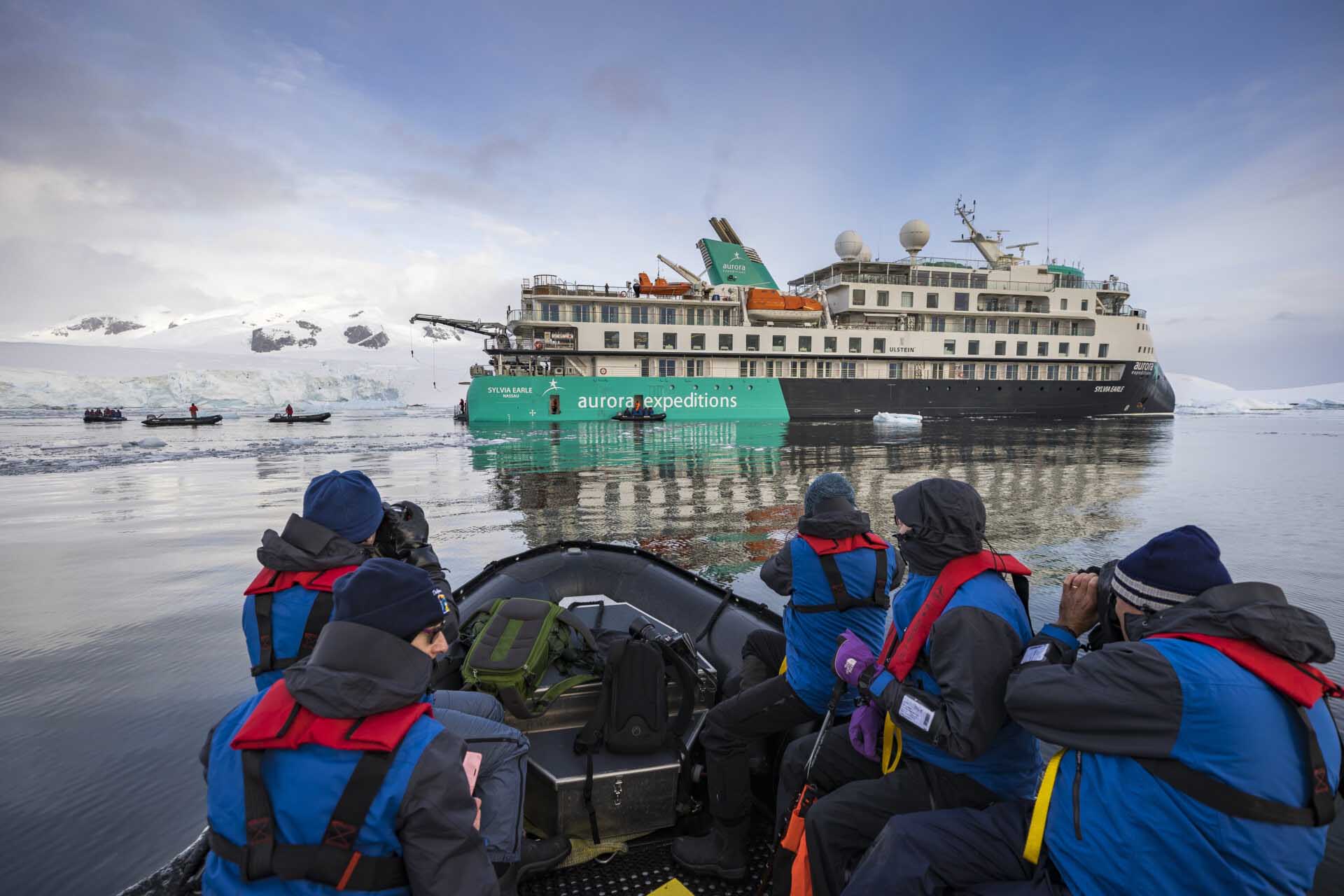
The ship's flag is particularly significant because the flag state enforces Polar Code compliance. A vessel registered in one country can therefore face an inspection and enforcement structure different from that governing another ship traveling through the same stretch of Antarctic water. Classification societies add another technical layer by surveying ships, assigning ice-class ratings and issuing the Polar Ship Certificates required by the code. Those ratings define the conditions in which a vessel has been certified to operate, which can become critical evidence after an ice-related casualty. The dull vibration of ice against a hull may feel routine from a passenger area, but certification limits determine how far that routine can safely and legally extend.
Ice Class Is More Than a Technical Label
Ice classifications deserve particular attention because apparently comparable ratings from different classification societies do not necessarily represent identical vessel capabilities. A ship operating close to the limits of its certification, or carrying unresolved survey deficiencies, can create serious questions about seaworthiness if an incident occurs. Investigators may examine the vessel's certification, inspection history and outstanding technical issues rather than simply asking whether the ship was marketed as suitable for polar travel. Classification societies themselves can also become involved in disputes concerning inspections or certification, although legal systems often give considerable weight to their professional judgments. Behind the quiet hum of engines and occasional scrape of ice lies a paper trail with real legal significance.
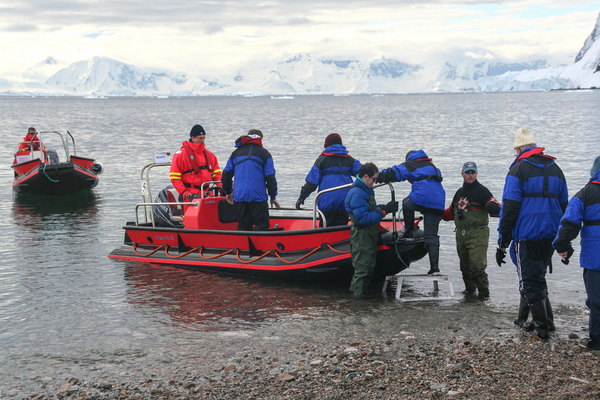
This is one reason Antarctic regulation cannot be understood by looking only at passenger behavior ashore. The regulatory structure follows an expedition from the bridge and engine spaces to Zodiac operations and eventually onto a landing beach. A passenger injured while transferring into a small boat could potentially raise questions involving operating procedures, crew competence, flag-state standards, contractual terms and maritime liability. Add rough water, numb hands and a moving Zodiac alongside a ship, and the reason for detailed procedures becomes obvious. Remote travel magnifies ordinary mistakes because medical facilities and outside assistance may be a considerable distance away.
Where IAATO Fits Into the System
IAATO occupies an influential position without functioning as a universal regulator. Membership is voluntary, but participating operators commit to standards covering emergency arrangements, ship scheduling, landing coordination and visitor management. Among the standards described in the source material are a 1:20 guide-to-visitor ratio, no more than 100 visitors ashore simultaneously and a prohibition on landings from vessels carrying more than 500 fare-paying passengers. These numbers directly affect the passenger experience. On a larger expedition ship, they can mean sitting in a warm lounge listening for an announcement while another group deals with cold wind, wet stones and the smell of a penguin colony ashore.
Voluntary membership also creates one of the system's persistent weaknesses. Antarctic tourism has historically included vessels registered in countries that are not parties to the Antarctic Treaty System, creating circumstances in which effective enforcement can become difficult. The source material cites research covering the 2011–2012 through 2013–2014 seasons in which more than 44 percent of tourist-carrying vessels were flagged by non-Treaty states. An operator's corporate location, vessel registration and IAATO status therefore deserve separate consideration rather than being treated as interchangeable indicators of oversight. For insurers and claimants, those distinctions can become particularly important when determining standards of care or contractual compliance.
A Regulatory Gap That Has Lasted Decades
Insurance and emergency contingency planning illustrate how slowly Antarctic international regulation can move. ATCM Measure 4 was adopted in 2004 with the intention of creating binding requirements in these areas, yet the source material states that it had still not entered into force more than 20 years later because domestic approval remained incomplete among several Consultative Parties. In practice, nonbinding guidance and IAATO requirements cover some of that territory. The result is an uncomfortable divide between standards governments have agreed should exist and obligations that are actually enforceable everywhere. That gap matters when a medical evacuation must be organized through cold, wind, engine noise and enormous geographic distance.
The framework also changes from season to season. Resolution 4 adopted at ATCM 47 in 2025 revised general guidance for Antarctic visitors, while Resolution 3 from ATCM 48 in 2026 updated site-specific rules at frequently visited locations. Those provisions can address visitor capacities, landing boundaries, approach distances and restrictions on when certain areas may be used. Operators that followed the correct procedure one year cannot simply assume the same operating manual will remain sufficient the following season. Wildlife will continue feeding, resting or moving without regard for a ship's timetable, so expedition teams have to adapt human activity instead.

Ship Size Changes What Happens Ashore
IAATO's categories help explain why two Antarctic cruises can offer very different operations. C1 vessels carry between 13 and 200 passengers, while C2 ships carry between 201 and 500; both categories can make landings. The YA category covers vessels with 12 passengers or fewer, while CR applies to cruise-only ships carrying more than 500 passengers, whose guests remain aboard. C1 and C2 ships must still respect the limit of 100 visitors ashore at once under the standards described in the source material. For a larger ship, that creates repeated rotations accompanied by radio calls, idling Zodiac engines and the familiar inconvenience of waiting for your group's turn.
Cruise-only ships avoid much of the regulatory complexity associated with people physically stepping onto Antarctic land, but that does not remove maritime obligations. Polar Code requirements, SOLAS, environmental protections and flag-state rules remain relevant, as does potential liability for incidents aboard the vessel. At the other end of the scale, small yacht operations still have to deal with environmental and site requirements despite carrying very few passengers. Small does not automatically mean lightly regulated. Nor does remaining aboard mean operating outside Antarctic oversight.
Preparing for the Next Antarctic Season
For operators, preparation ultimately comes down to checking details before the ship heads south. National authorizations and environmental assessments need to correspond with the intended itinerary, particularly when new sites have been introduced since the previous season. Current ATCM resolutions and IAATO operating standards must be reviewed alongside Polar Code certification, SOLAS compliance, classification documents and flag-state inspection status. Guide numbers, emergency resources, insurance conditions and evacuation arrangements deserve the same scrutiny, because Antarctic distance can turn a modest operational problem into hours of cold waiting and logistical improvisation. The regulatory system may be fragmented, but the practical objective is straightforward: the ship, crew and expedition operation must be prepared for the voyage they actually intend to conduct.
Frequently Asked Questions
Who regulates tourist cruises in Antarctica?
There is no single Antarctic cruise regulator. Operators can be subject to the Antarctic Treaty System, national authorization requirements, IMO maritime rules, their vessel's flag-state regime and, when applicable, voluntary IAATO operating standards.
What is the IMO Polar Code?
The Polar Code is an international framework for ships operating in polar waters. It supplements SOLAS and addresses matters such as vessel capabilities, survival equipment, crew preparation and voyage planning in ice-affected conditions.
Why are Antarctic landings limited to 100 people?
IAATO operating standards described in the source material allow no more than 100 visitors ashore simultaneously. The restriction affects how expedition vessels schedule passenger groups and becomes especially significant for ships carrying several hundred people.
Can a ship with more than 500 passengers land in Antarctica?
Under the IAATO framework described in the source, vessels carrying more than 500 fare-paying passengers operate as cruise-only ships and do not conduct passenger landings. They remain subject to applicable maritime, environmental and flag-state requirements.
Do Antarctic cruise rules change every year?
Some guidance and site-specific requirements are revised through the annual ATCM and IAATO cycles. Operators therefore need to check current rules before each season rather than assuming that procedures used during an earlier voyage remain sufficient