A 100-year-old sample of milk powder from Ernest Shackleton's first solo expedition to Antarctica has been analyzed by scientists. The big question: how does it compare to today's milk powder?
Dr. Skelte Anema, lead investigator and principal research scientist at the Fonterra Research and Development Centre, shared the excitement his team felt. "It's rare for scientists to get so excited, but discovering this 100-year-old milk powder made in New Zealand, just 20km from the location in Bunnythorpe, was thrilling. It felt like the sample was coming home," he told Nights.
The scientists determined that the milk came from a Friesian cow, milked in either spring or autumn in the early 1900s.
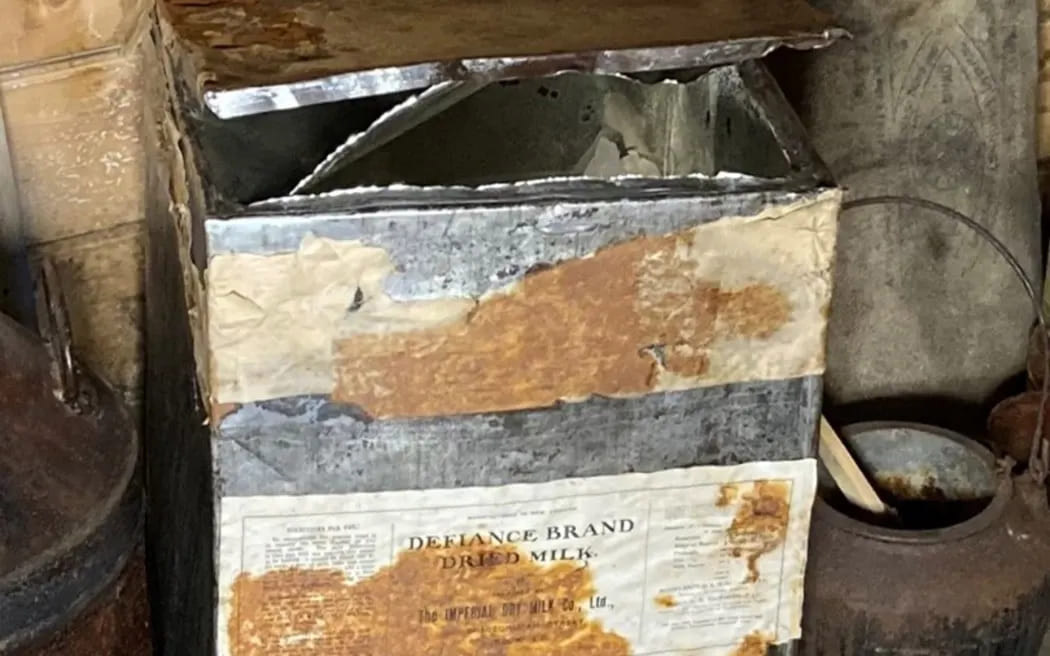
But how did New Zealand-made milk powder end up with Shackleton? In 1907, Shackleton and his team left England for a two to three-year expedition, stopping in New Zealand along the way. Glaxo, a New Zealand company, donated about 450kg of milk powder (enough for 3500 liters of milk), as well as some butter and cheese for the journey. Anema explained that milk powder's stability, light weight, and versatility made it highly appreciated by Shackleton, as indicated in his writings.
In the early 2000s, during preservation efforts at the Antarctic huts used by the early explorers, an open can of milk powder was discovered. Once Fonterra learned of its existence, they sought a sample from the Antarctic Heritage Trust, a process that required special approval due to the conservation status of the area. The New Zealand foreign minister ultimately approved the request.
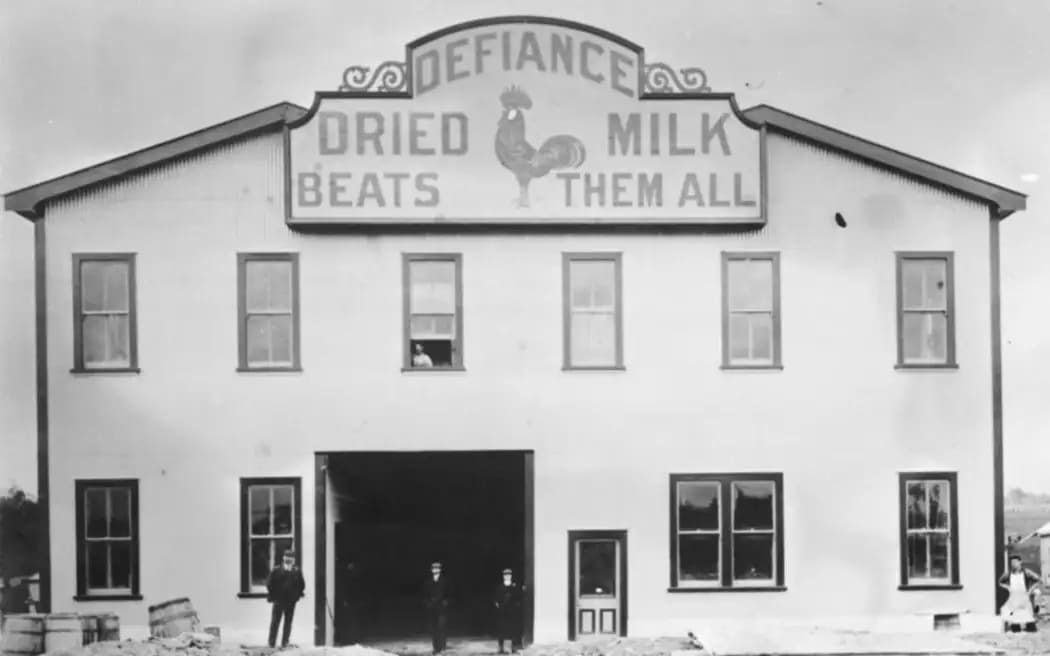
The first milk powder, created in 1904 using a roller drying process, marked the start of New Zealand's dry dairy industry. This pioneering factory faced challenges, including a fire in 1906 and sabotage by a rival dairy farmer.
Regarding changes in milk powder over the years, Anema noted, "Surprisingly, milk hasn't changed much. Protein levels, fat composition, and amino acid composition have remained consistent, despite advancements in farming methods."