Expedition cruising in Antarctica is increasingly blending exploration with scientific collaboration. One upcoming example is a planned 10-day Antarctic Peninsula voyage in December 2027 that will combine traditional expedition travel with onboard ocean research and educational programming.
Departing from Ushuaia, Argentina, the journey will cross the Drake Passage before exploring the Antarctic Peninsula, an area known for its dramatic glaciers, penguin colonies, and nutrient-rich waters. The voyage will be operated aboard the expedition vessel Le Lyrial, a ship designed for polar navigation and small-group landings.
The program is expected to bring scientists and researchers together with travelers, offering insight into how modern oceanographic studies are conducted in one of the most climate-sensitive environments on the planet.
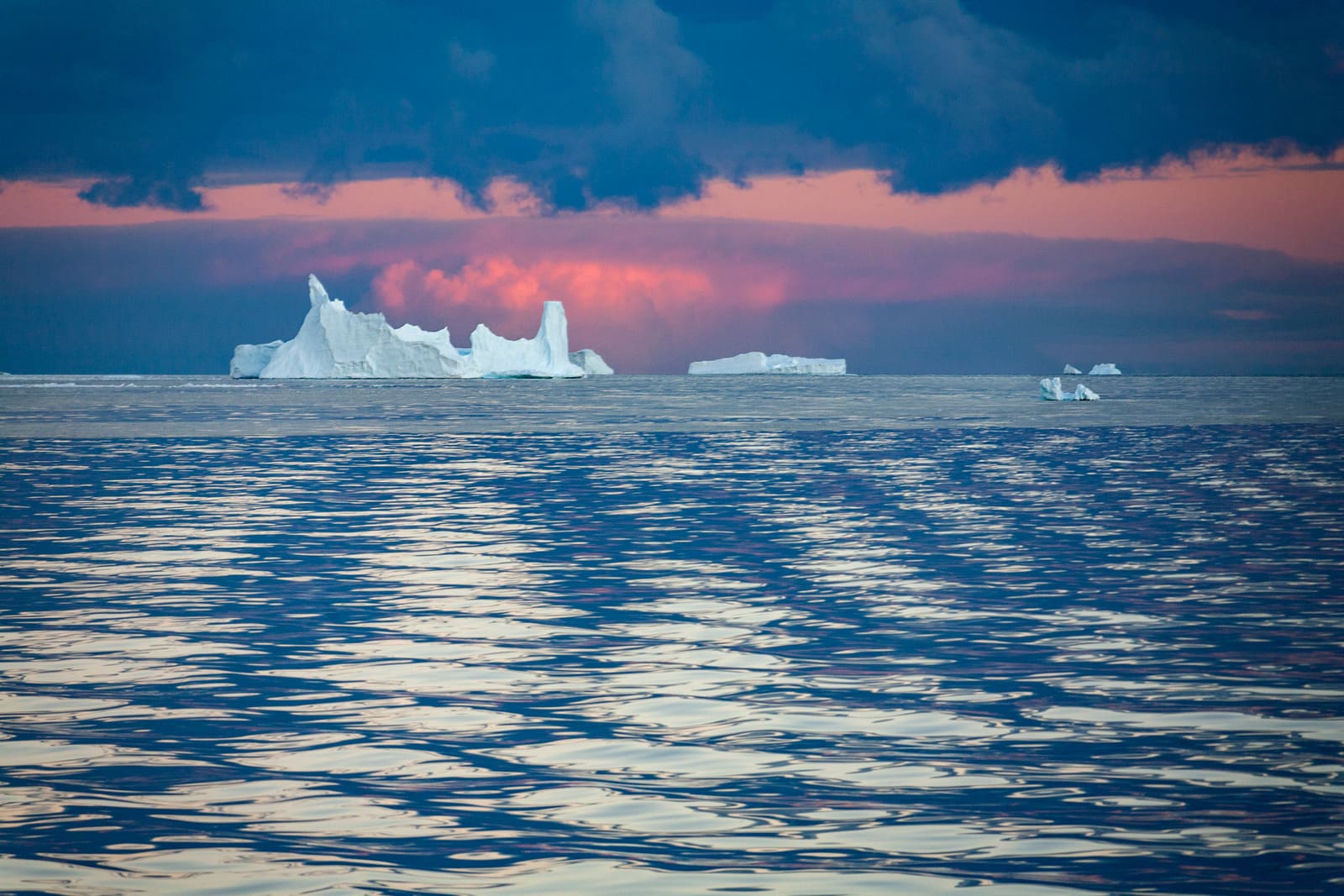
Expedition Cruises and Scientific Research at Sea
Ocean researchers involved in the program plan to demonstrate how data about the Southern Ocean is collected during polar expeditions. Topics discussed onboard may include sea ice monitoring, ocean circulation patterns, and the role Antarctica plays in regulating global climate systems.
Passengers may have the opportunity to observe the deployment of simple oceanographic instruments and learn how scientists measure temperature, salinity, and ocean currents. These types of observations contribute to broader climate studies and help researchers understand environmental change in polar ecosystems.
The expedition also reflects a wider trend in the industry. Many modern polar voyages now incorporate scientific lectures, conservation briefings, and citizen-science activities that allow travelers to engage with ongoing research projects.
Some expedition ships, such as the luxury polar icebreaker Le Commandant Charcot, have even been designed with dedicated research laboratories to support scientific missions during voyages in both the Arctic and Antarctic regions.
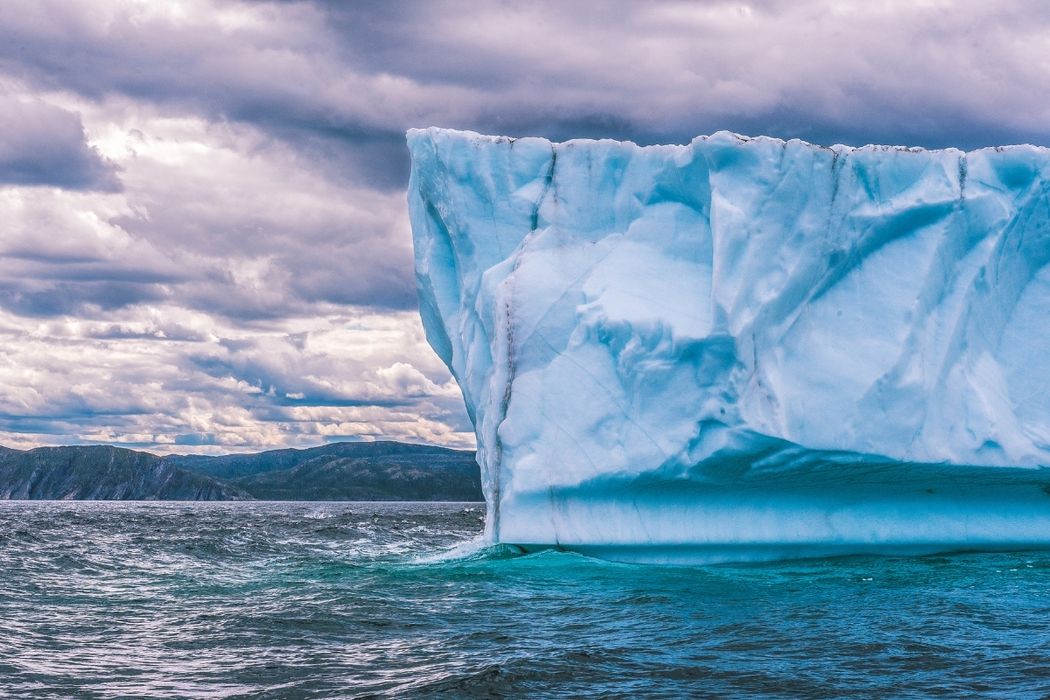 Emblematic Antarctica | Polar Cruises
Join an 11-day polar cruise from Ushuaia to Antarctica, exploring breathtaking ice landscapes and unique wildlife along the historic routes of famous explorers.
Request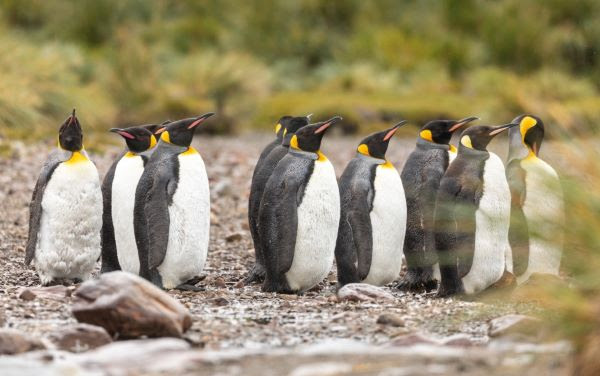 The Emperor Penguins of Weddell Sea | Polar Cruises
Embark on a thrilling 13-day expedition to witness emperor penguins and breathtaking ice formations in the Weddell Sea, starting and ending in Ushuaia.
Request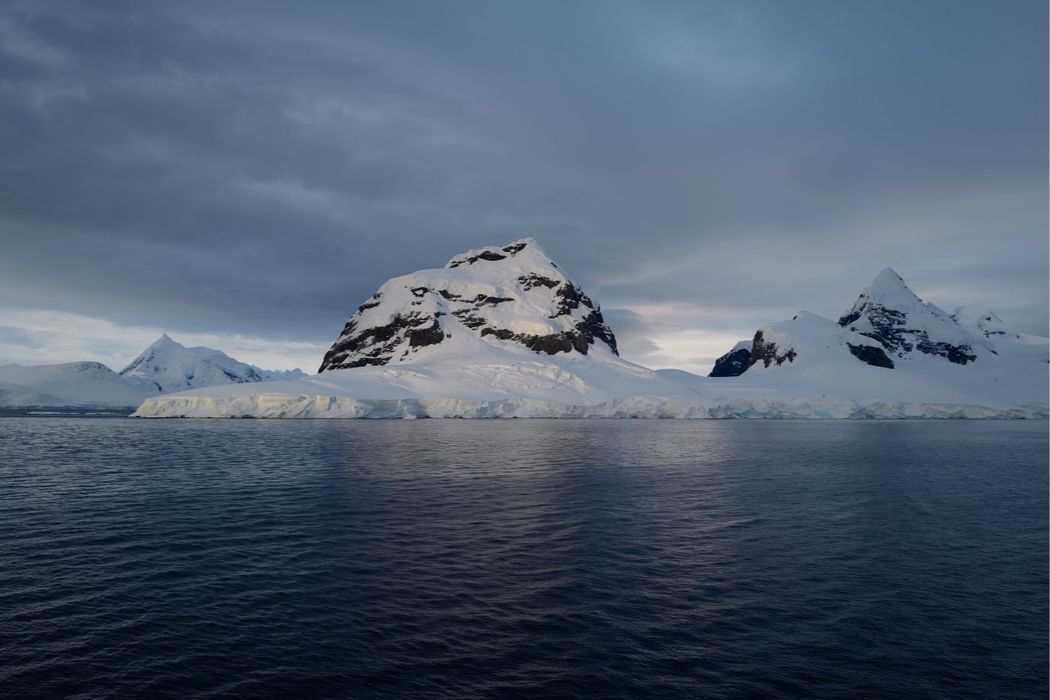 Expedition to Southern Lands | Polar Cruises
Embark on a 17-day adventure from Ushuaia to Antarctica, exploring majestic glaciers and vibrant wildlife on this unforgettable polar cruise.
Request
What Travelers Can Expect During the Antarctic Voyage
The planned itinerary follows a classic Antarctic expedition route. After departing Ushuaia, the ship will navigate the Drake Passage before reaching the Antarctic Peninsula, where conditions during the austral summer typically allow for a mix of Zodiac excursions and shore landings.
Visitors may explore glacier-lined bays, rocky coastal areas, and wildlife colonies while following strict Antarctic tourism guidelines designed to protect fragile ecosystems. Landings are carefully managed to ensure minimal environmental impact and safe wildlife viewing.
Expedition vessels operating in Antarctica often include ships such as Le Soléal, Le Boréal, and L’Austral, which combine smaller passenger capacities with the ability to reach remote polar landing sites.
These ships are typically equipped with Zodiac landing craft, expert expedition teams, and onboard lecture programs that help travelers understand the unique geography and wildlife of Antarctica.
A Growing Trend Toward Educational Polar Expeditions
As interest in polar travel continues to grow, expedition cruises are evolving beyond traditional sightseeing journeys. Increasingly, voyages include partnerships with researchers, naturalists, and conservation organizations.
For travelers, this approach offers a deeper understanding of Antarctica’s ecosystems while still providing the classic elements of expedition travel—whale watching, glacier navigation, penguin colonies, and extended time exploring one of the most remote environments on Earth.
By combining scientific insight with exploration, modern Antarctic expeditions aim to give travelers a clearer perspective on how researchers study the rapidly changing Southern Ocean and the fragile ecosystems that depend on it.