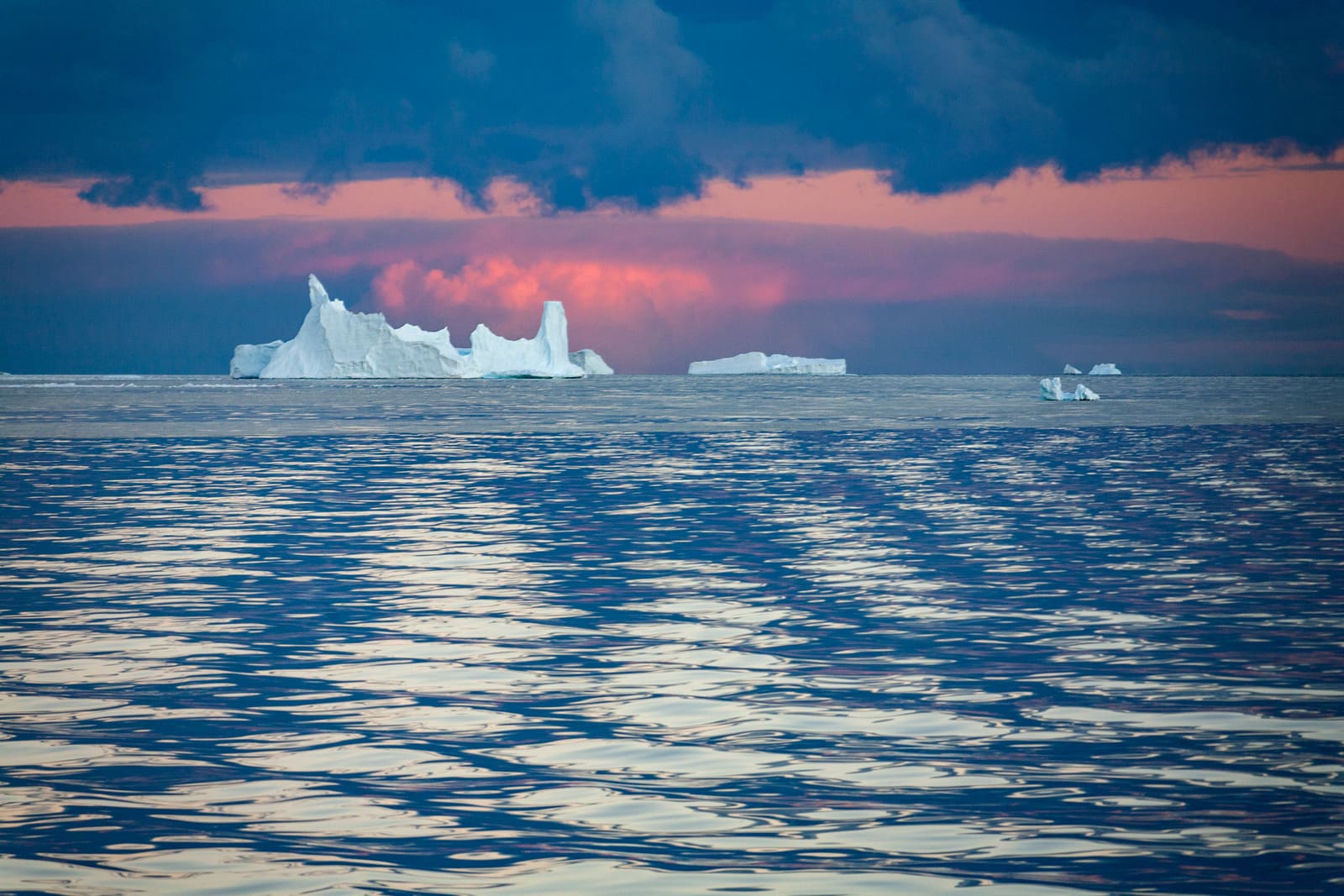
Few experiences compare to waking up at 3 a.m. while sailing through Antarctica, witnessing jagged peaks outlined against a pink-amber sky. The golden sunrise light streaming into the cabin during the still, early hours is just one of many magical moments Clare Vooght enjoyed on Earth’s coldest, driest, and southernmost continent—many involving penguins. These breathtaking landscapes have long captivated polar explorers, record-breakers, and, more recently, adventurous travelers eager to visit their seventh continent. While a few air-accessible camps offer overnight stays, cruise ships are typically the best—and often the only—way for tourists to explore much of this remote region. Thoughtful planning and thorough research are essential for such a once-in-a-lifetime trip. Here’s what travelers should know.
Getting There
While some cruises depart from New Zealand, the most popular route to Antarctica involves crossing the Drake Passage from southern Argentina or Chile. This two-day voyage is known for its unpredictability, ranging from the calm “Drake Lake” to the choppy “Drake Shake.” For those with limited time, flights from Punta Arenas to King George Island in the South Shetland Islands take about two and a half hours, though they provide a less immersive experience. Despite dealing with seasickness, Clare found crossing the Drake by ship worthwhile, with albatrosses accompanying the journey and the unparalleled thrill of spotting land after two days at sea—an experience missed when flying.
Best Time to Visit
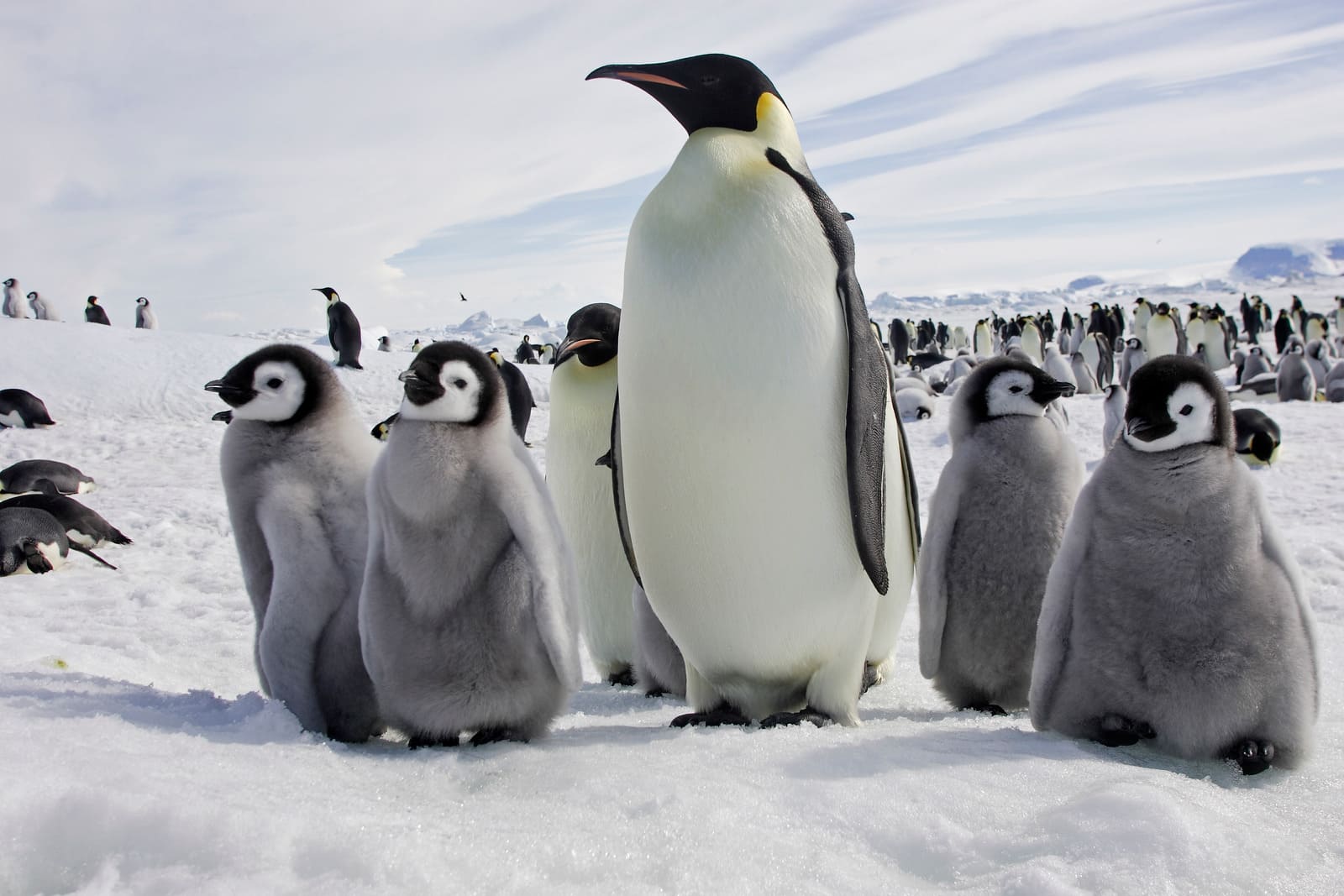
The tourist season runs from November to March, during the warmer months when average temperatures hover slightly above freezing, particularly between December and February. Penguins can be seen throughout the season, but late December and January are ideal for observing chicks. February and March are prime months for whale watching, with pods of humpback, minke, and orca whales arriving in full force. February also offers the chance to see seal pups, while March features stunning sunrises and sunsets as daylight hours shorten.
Key Destinations
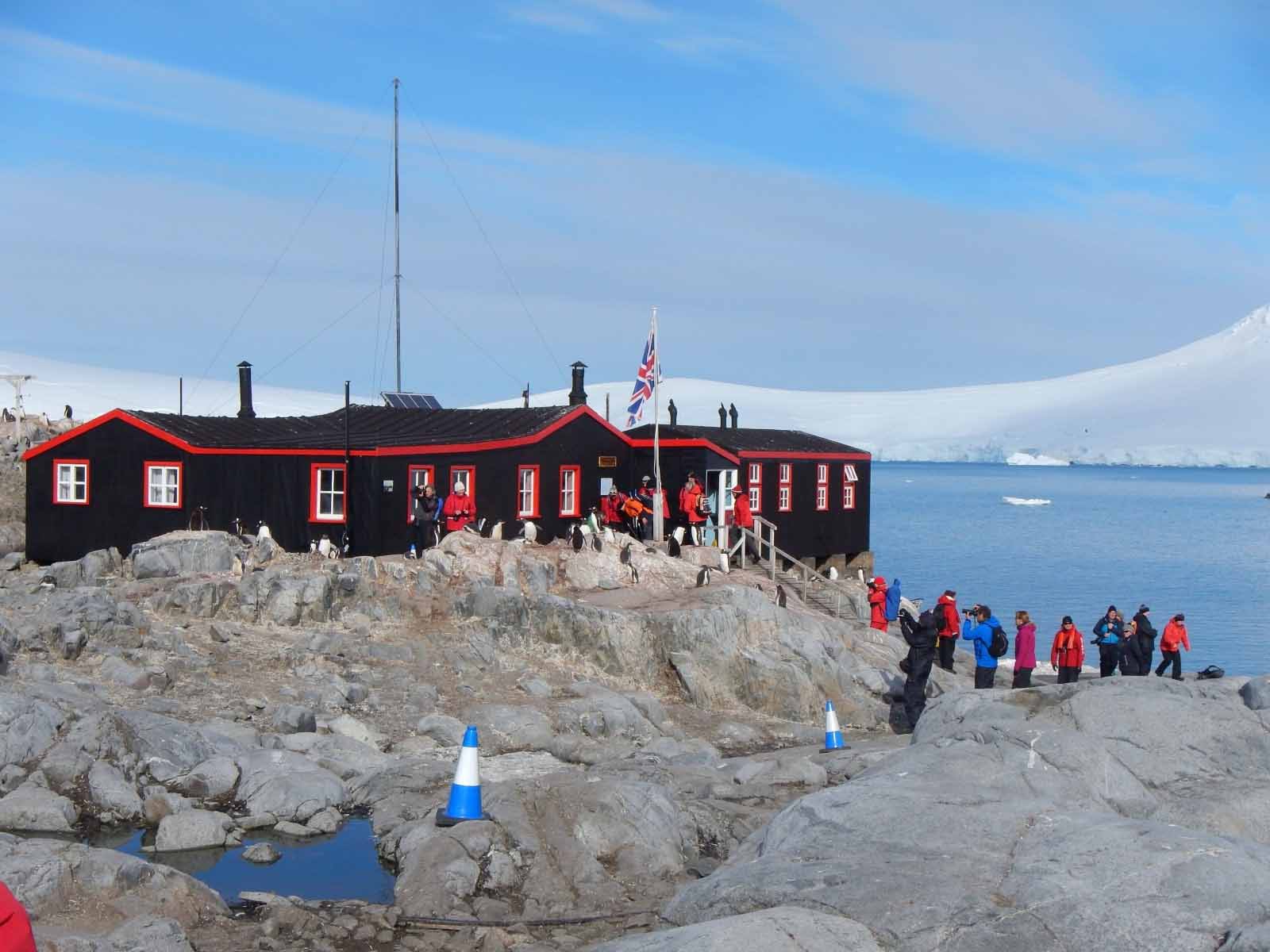
Antarctica is home to numerous remarkable sites, such as Port Lockroy, where visitors can mail postcards with penguin-themed stamps, Deception Island, an active volcanic caldera, and Elephant Island, where Shackleton’s crew awaited rescue. However, itineraries are often flexible, with expedition leaders adjusting plans based on weather and ice conditions, adding to the adventure. Most tours focus on the Antarctic Peninsula, which features many IAATO-approved landing sites. Some specialized expeditions venture further, visiting places like Snow Hill Island, the Weddell Sea, East Antarctica, or the Ross Sea, where emperor penguins can sometimes be spotted.
Packing Essentials
Cruise operators typically provide gear like expedition parkas, waterproof pants, and durable rubber boots with warm linings. Personal must-haves include motion sickness medication, thermal layers (such as merino wool or polypropylene), a waterproof backpack, sunglasses, SPF for face and lips, and multiple pairs of gloves in case one gets wet. Thin liner gloves, worn beneath waterproof ones, are ideal for handling cameras without freezing your fingers. To protect electronics, waterproof camera housings and protective phone cases are also recommended.
Traveling Responsibly
Strict environmental guidelines help protect Antarctica’s pristine ecosystem. Visitors should avoid wearing clothing with velcro, clean all gear (like walking poles) before the trip, and adhere to boot-cleaning protocols when boarding or leaving the ship. Maintaining a distance of about 15 feet from wildlife is crucial, and animals—particularly penguins—always have the right of way.
Fitness Considerations
Antarctica is accessible to travelers of varying fitness levels. The primary requirements are moderate walking ability and the capacity to step in and out of Zodiacs, the inflatable boats used for landings. Hiking poles can help navigate uneven or icy terrain. While extreme fitness isn’t required, good health is important. Travelers with heart conditions should skip activities like the polar plunge. Medical resources are limited, and poor weather can delay evacuation flights for days. Though accidents are rare, traveling with a reputable operator and following the expedition team’s advice ensures safety. The team evaluates landing sites, marks safe paths, and provides Zodiac safety instructions.
Duration of Visit
Antarctic trips range from six days to nearly a month. Longer itineraries often include stops in South Georgia, the Falklands, Chile, or Argentina. Extended trips also improve the likelihood of favorable conditions for activities like kayaking or the polar plunge. Depending on the itinerary, travelers may enjoy up to three shore landings per day.