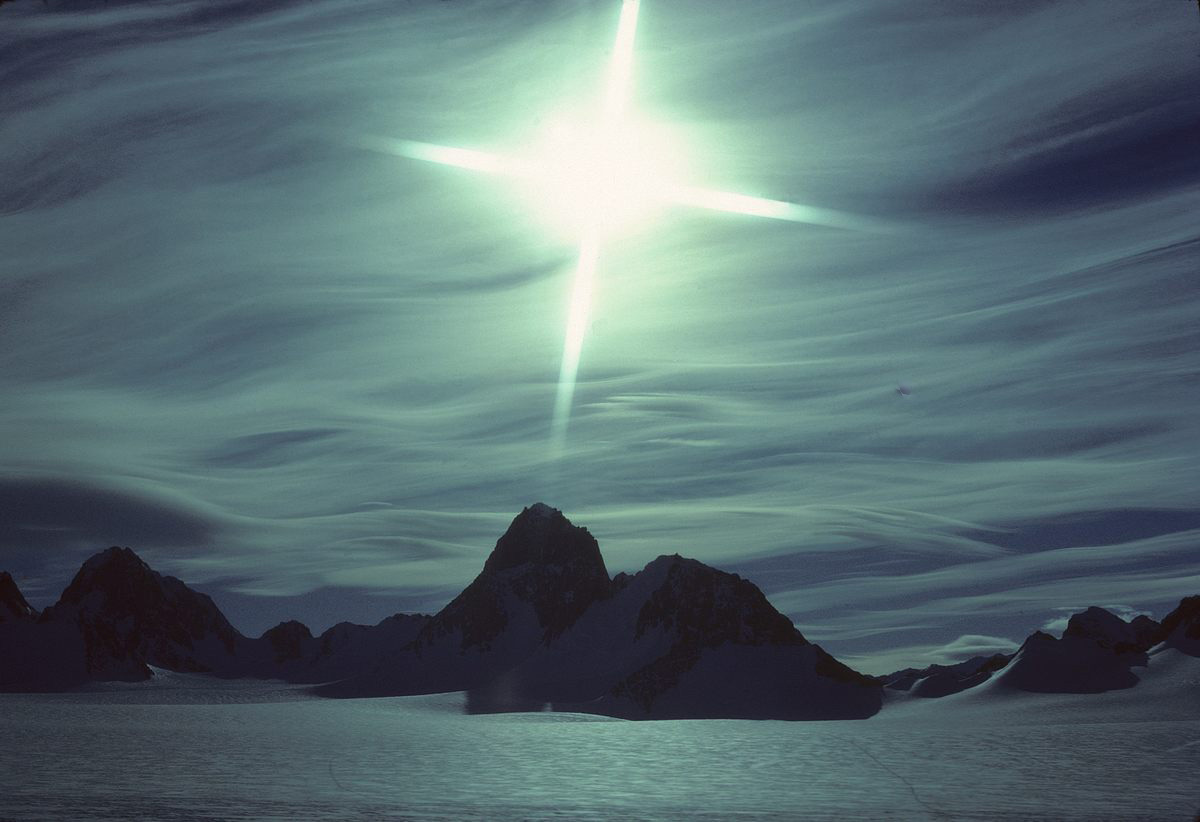
In 1970, luck smiled upon me when I secured a role in a research expedition to Antarctica's Transantarctic Mountains. As an undergraduate geology major with dreams of exploring rugged mountain landscapes, Antarctica's mystery beckoned me. Though aware of its mountain range separating the East and West Antarctic Ice Sheets, I had little knowledge of its geology or the surreal blend of ice and rock awaiting discovery.
Funded by the National Science Foundation's Office of Polar Programs via Ohio State University's Institute of Polar Studies, the project was led by David Elliot, a rising star in Antarctic geology. Our diverse team included paleontologists hunting for vertebrate fossils, building on previous discoveries like the Antarctic Lystrosaurus. My task was to study rocks from the mountains' lower levels, formed during a geological event half a billion years earlier—an assignment that thrilled me.
Based out of remote camps in the Queen Maud Mountains, 500 miles south of McMurdo Station, we relied on Navy squadron VXE-6's Huey helicopters for daily transport. Weather permitting, we'd explore the mountains, mapping and collecting samples before returning to camp for dinner.
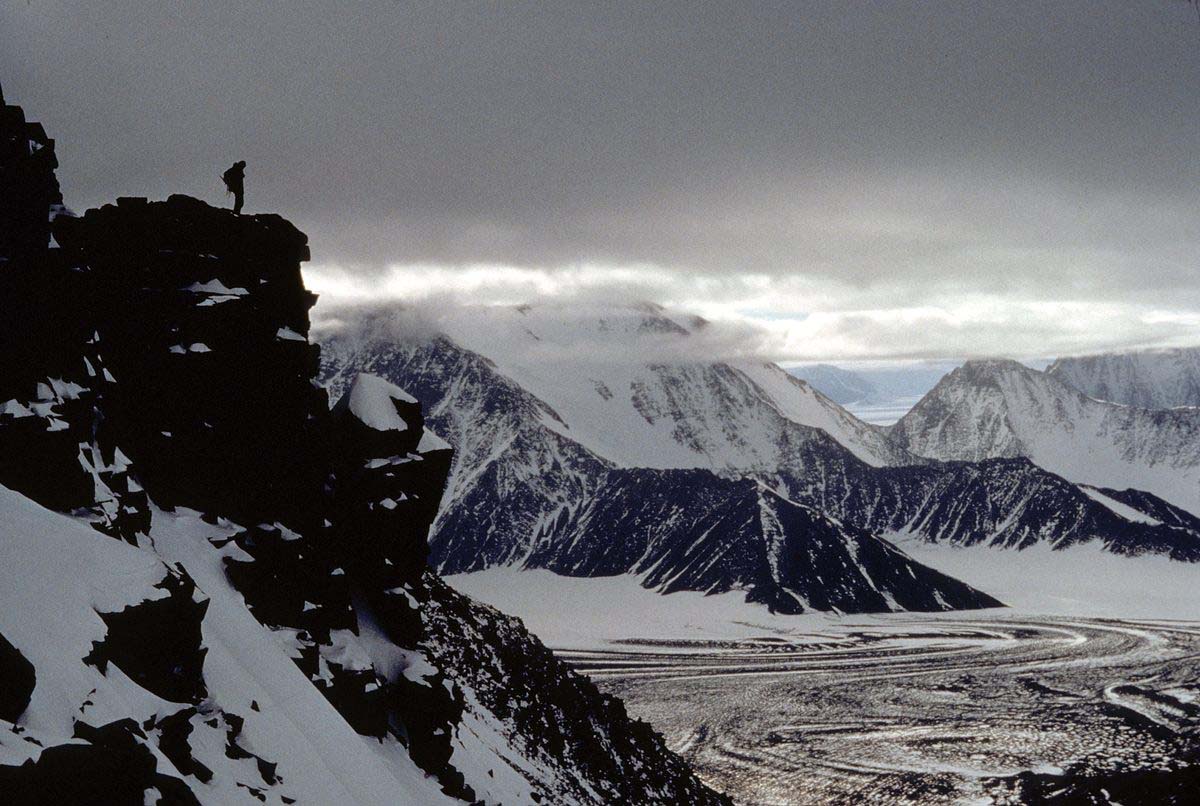
Our camps were near McGregor Glacier, where it meets Shackleton Glacier—a vital artery through the Transantarctic Mountains, carving a deep canyon 5,000 feet into the rock. Initially, I mapped along this corridor, later moving 120 miles southeast for the remainder of the season. The helicopters' range limited our exploration, but I pushed boundaries, ultimately mapping and sampling a 300-mile stretch of these awe-inspiring mountains.
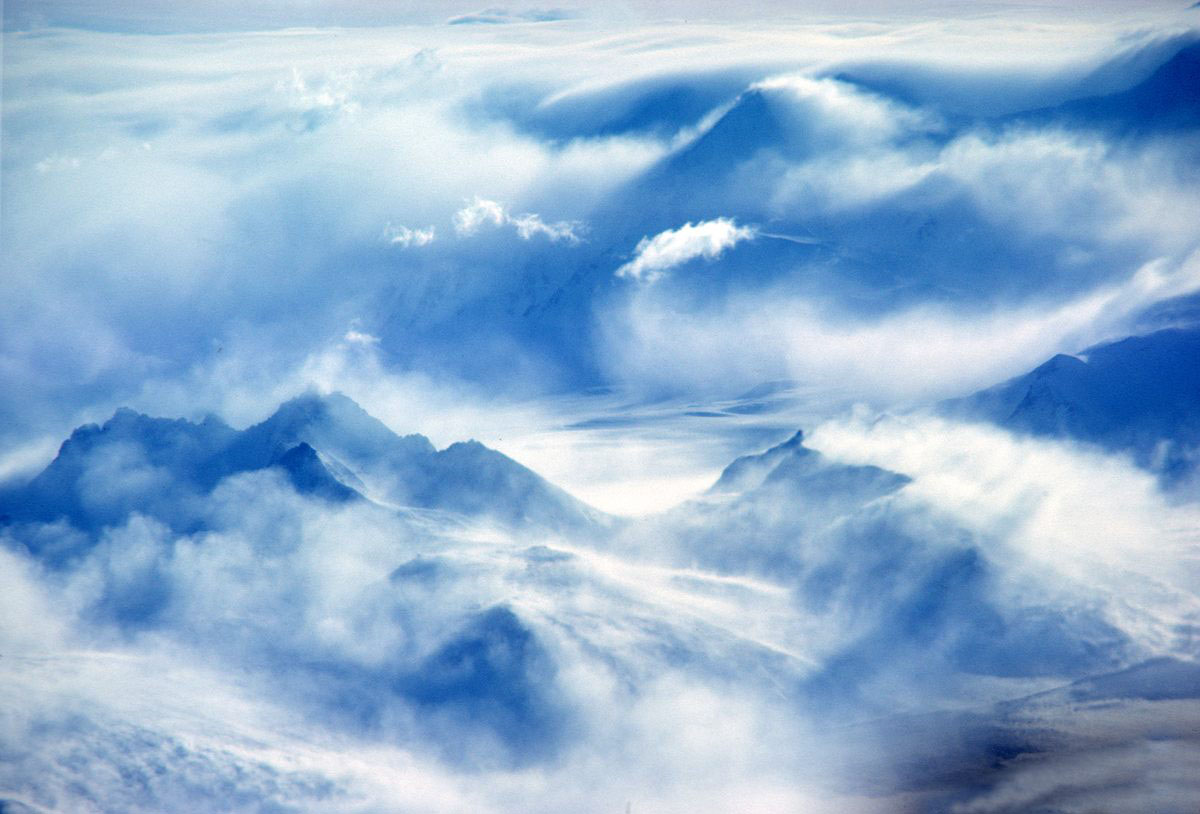
The logistical feats were remarkable. Navy pilots, skilled from Vietnam service, navigated us through challenging mountain terrain, often landing in precarious spots. Yet, every flight offered breathtaking views of Antarctica's otherworldly landscape.
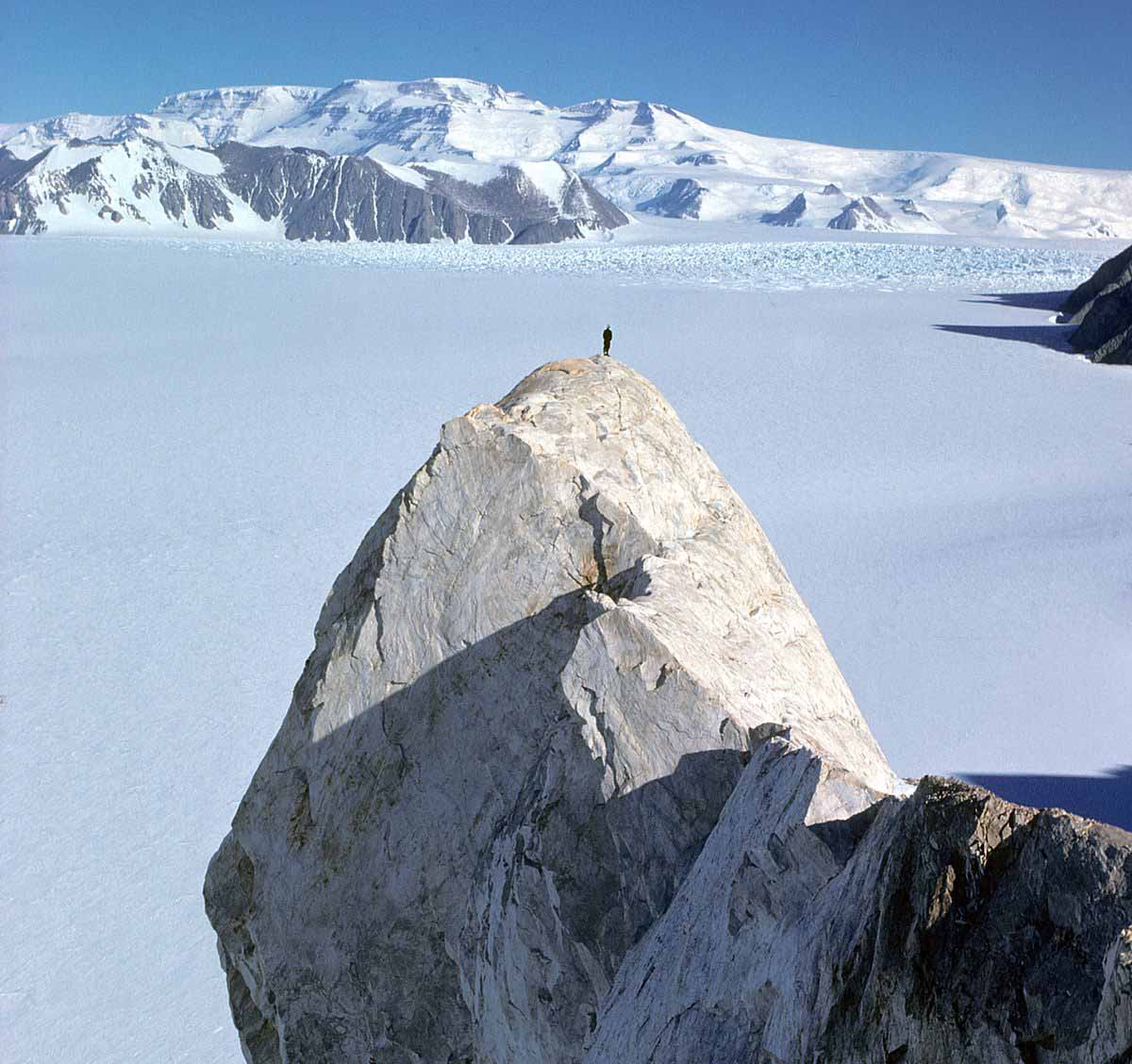
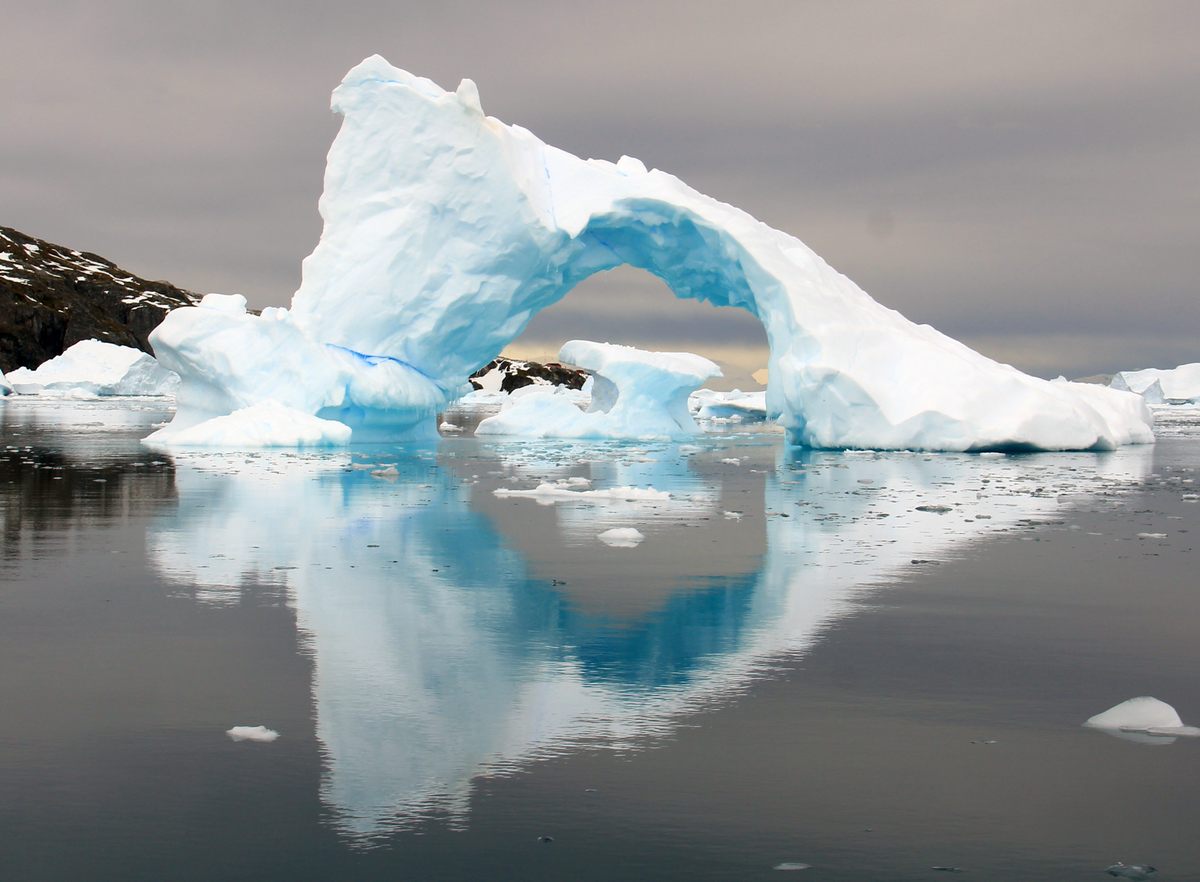
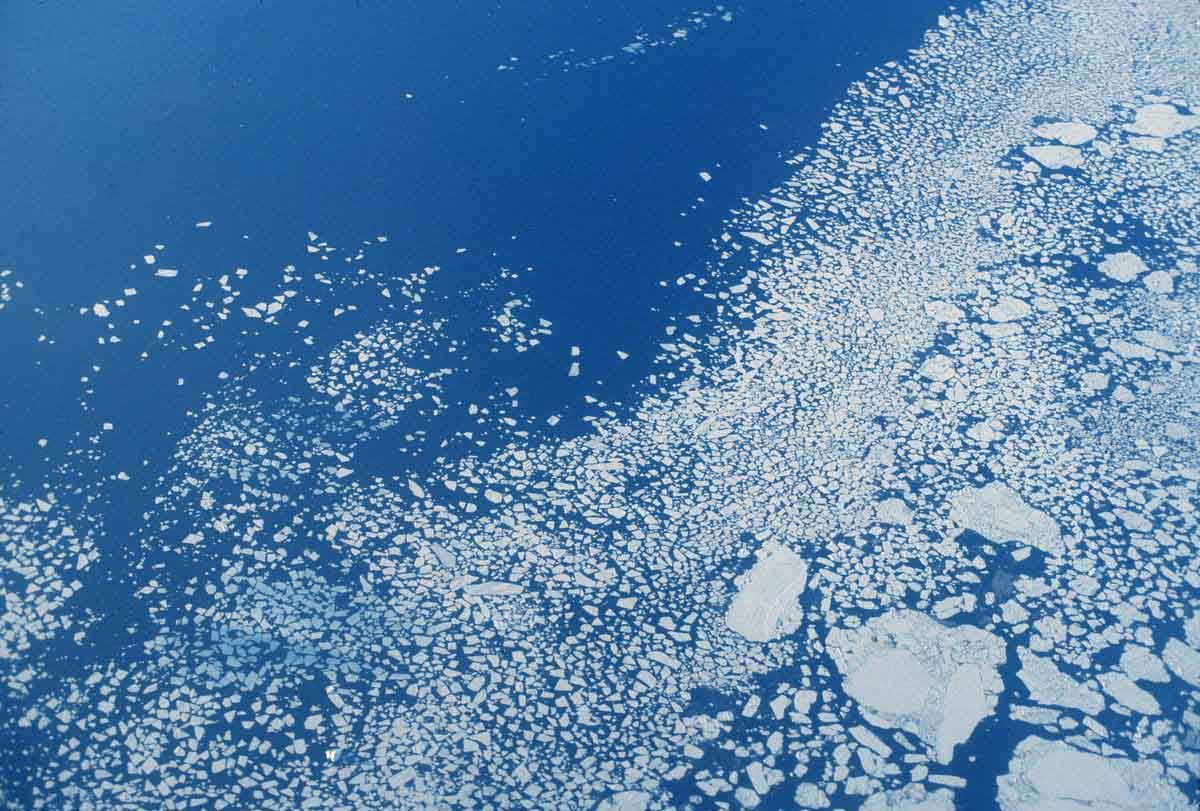
As I immersed myself in studying rocks, Antarctica's omnipresent ice captivated me more each day. Its varied textures—ablation-pitted glacier ice, wind-sculpted sastrugi, and the intricate details of meltwater ponds—fascinated me. Though my primary focus was rocks, it was the pervasive ice that left an indelible mark.
From my first encounter, I felt compelled to share Antarctica's wonder. Its stark, pristine beauty, devoid of life, captivated me. This book stands as my tribute to Antarctica—the land of ice—and to the Transantarctic Mountains, where I forged unforgettable memories.