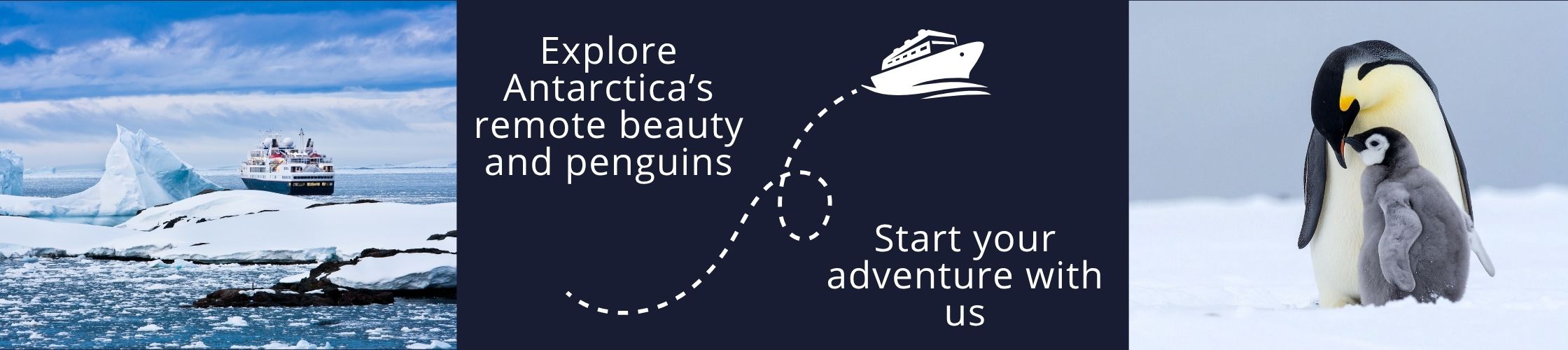
Recent research highlights ongoing threats to penguin survival in Antarctica, driven by climate change and shifts in food availability. Liang Qi, notes that declining sea ice is particularly impacting emperor penguins, which require stable ice for raising chicks.
As ocean temperatures rise, Antarctic krill, a primary food source for these penguins, are migrating to higher latitudes. This change increases the distance penguins must travel for food, which places additional energy demands on them during the breeding season.
During a 160-day expedition aboard a polar icebreaker, Liang and his team conducted multiple aerial surveys of penguin breeding areas on Adelie Island. This expedition marked China's 42nd Antarctic mission, yielding significant research outcomes.
Traditionally, penguin populations were monitored through remote-sensing satellite data, yet this method has limitations in accurately identifying individual penguins and understanding their habitats. In contrast, drone technology proved more effective, allowing for precise mapping and nesting analysis.
During the expedition, Liang successfully executed over 60 drone flights that gathered diverse observational data, including visible light and multispectral imagery, as well as thermal infrared and LiDAR measurements. Ground-based methods, including Simultaneous Localization and Mapping, were also employed to assess penguin size and nesting spots.
The accurate counting of penguin nests is vital for estimating population size and predicting future trends. By leveraging drones, Liang enhanced the efficiency of data collection, which previously required arduous manual counting under harsh conditions.
This comprehensive approach integrates satellite, UAV, and ground-based observation systems, creating a more nuanced understanding of penguin populations in Antarctica. With the aim of establishing a long-term monitoring network, Liang emphasizes the necessity of urgent action to protect these species.
What changed
- Expansion of drone technology for penguin population monitoring.
- Increased understanding of penguin breeding pressures due to climate change.
- Implementation of integrated observation systems including satellite and UAV technologies.
What happens next
Liang advocates for a dual strategy focusing on enhanced monitoring and emission reductions. He suggests building a comprehensive monitoring network that combines multisource satellites and drones to track changes in penguin distribution and habitat conditions.
Furthermore, reducing ocean warming and stabilizing sea ice will be critical in giving penguins time to recover their breeding environments. Preliminary data from Liang's research are still undergoing analysis, with detailed findings expected to provide insights into penguin population dynamics.