Antarctica, the southernmost continent, captivates explorers, scientists, and tourists. Typically, access to this remote, icy expanse is via five primary gateways, each providing distinctive routes and experiences. These access points not only enable tourism but also play vital roles in scientific research and international collaboration in Antarctica.
Each gateway offers a unique approach and set of experiences, allowing travelers and researchers to explore the diverse and breathtaking landscapes of this distant continent.
Ushuaia, Argentina
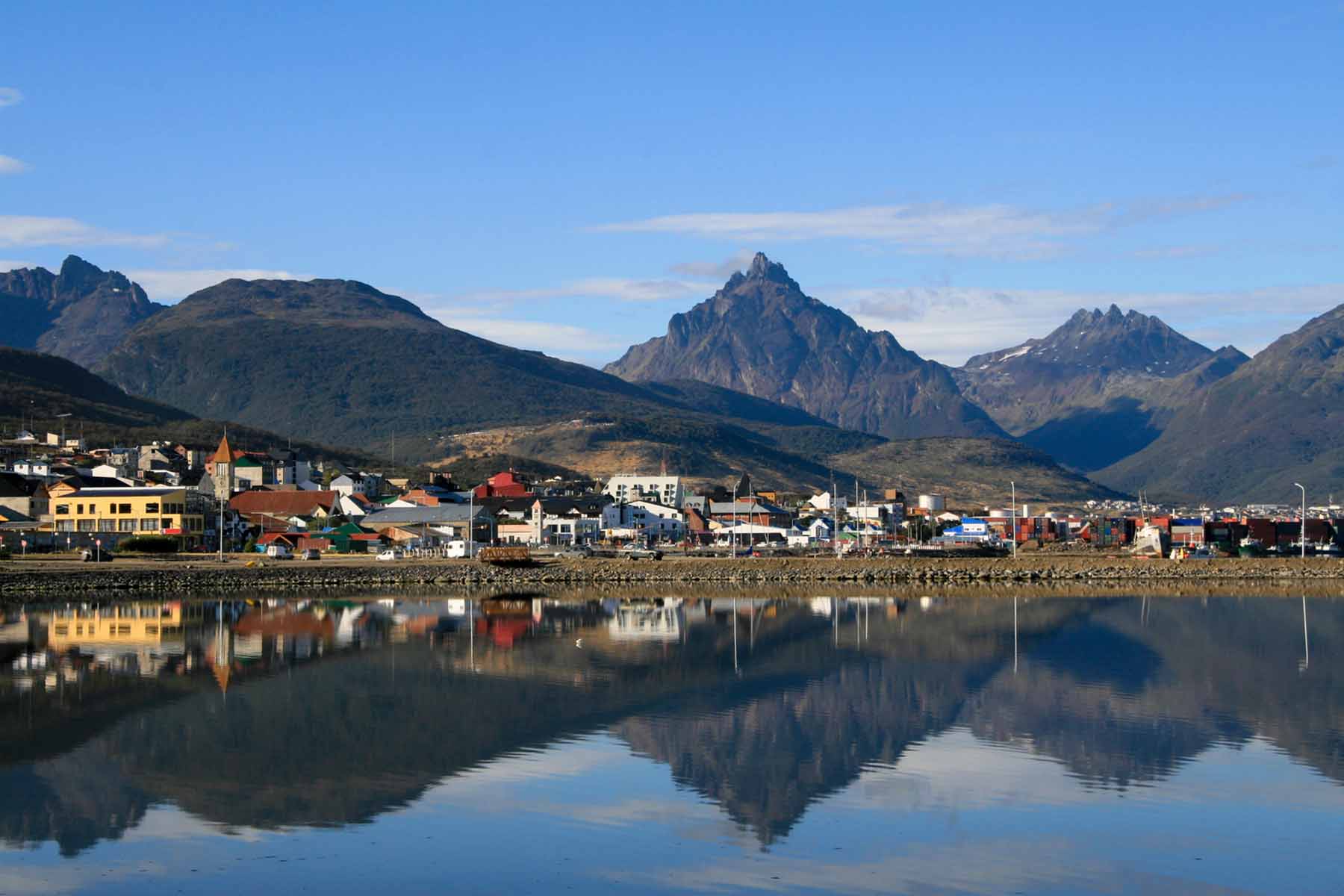
As the world's southernmost city, Ushuaia is the most popular departure point for Antarctic expeditions. Trips usually involve crossing the Drake Passage to reach the Antarctic Peninsula. This journey provides stunning scenery, opportunities to view wildlife like penguins and whales, and the chance to explore the icebergs and glaciers of the Antarctic Peninsula.
Punta Arenas, Chile

Situated in southern Chile, Punta Arenas is a key gateway for air-cruise operations to Antarctica. Travelers often fly from Punta Arenas to King George Island in the South Shetland Islands, bypassing the Drake Passage, and then board a ship for further exploration. This route offers a quicker and often smoother alternative to sailing, allowing more time on the continent.
Hobart, Tasmania (Australia)
Hobart serves as the main gateway for Australian Antarctic expeditions and scientific missions. Ships departing from Hobart navigate south through the Southern Ocean, often reaching East Antarctica and the Australian Antarctic Territory. This route is crucial for scientific research, with stops at Australian research stations such as Casey, Davis, and Mawson. The journey involves crossing the remote and challenging Southern Ocean.
Christchurch, New Zealand
Christchurch is a major hub for Antarctic operations, especially for the United States' and New Zealand's Antarctic programs. Flights from Christchurch typically land at McMurdo Station or Scott Base on Ross Island in the Ross Sea region. This route supports significant scientific expeditions and provides impressive views of the Transantarctic Mountains and the Ross Ice Shelf. It also serves as a key logistical center for Antarctic research.
Cape Town, South Africa
Cape Town acts as the gateway to the Dronning Maud Land region of Antarctica. From Cape Town, flights generally land on the blue-ice runway at the Novo Air Base, operated by Antarctic Logistics Centre International (ALCI). This route is primarily used for scientific missions and logistical support, offering access to the less-visited eastern part of Antarctica, including Emperor penguin colonies and striking ice formations.