The British heritage of Antarctica exists through its red telephone boxes and the resting places of British heroes in a specific corner of the continent. Cool Britannia represents the colonial heritage and exploration history of Britain through its penguin-filled beaches and massive icebergs which resemble London in size.
Standard Antarctic cruises take eleven days from Ushuaia in southern Argentina to the frozen continent’s northernmost peninsula. The British Overseas Territories of the Falkland Islands and South Georgia extend some sailings up to three weeks in duration.
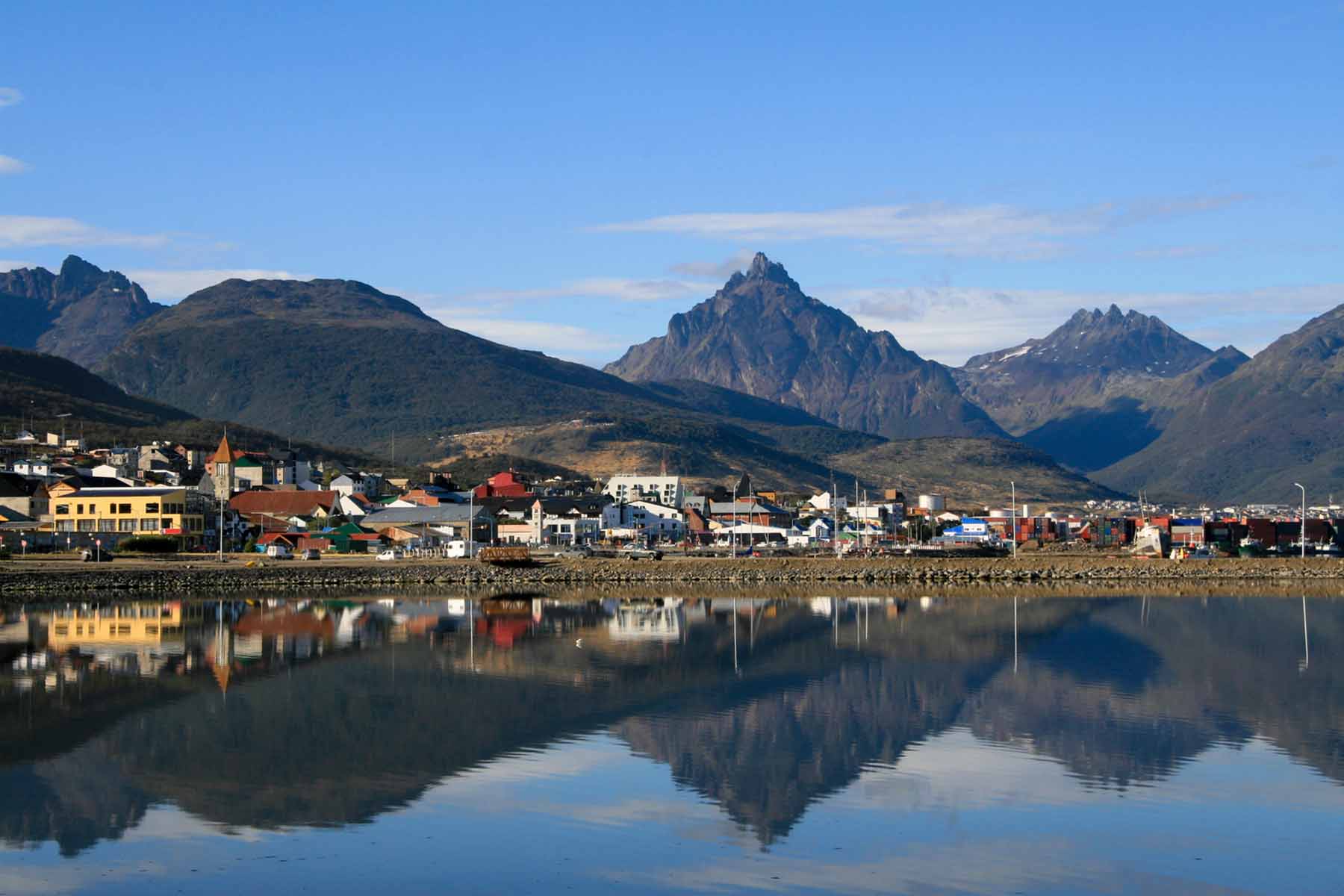
I joined 102 other passengers on the Seaventure for my lifetime cruise to explore the most dangerous waters of the world while pursuing this British heritage. Our first port‑of‑call was the Falklands.
Britain took control of the Falklands in 1833 and the islands have stayed under British rule ever since except during Argentina's 1982 military invasion.
The ship docked at Port Stanley which serves as the main settlement for the population of 3,649 people who live among 300 sheep. The town displays a complete British village through its red telephone and mail boxes and authentic pubs which serve traditional fish and chips with pints of beer. The museum displays various references to the 1982 Falklands conflict while I experienced a powerful film called 74 Days That Changed the Falklands which showed their liberation from Argentine forces on 14 June 1982.
Before continuing my journey through the South Atlantic I took a moment to think about how this path between the Falklands' rugged shores and South Georgia's isolated wilderness demonstrates British influence while offering access to amazing natural wonders. The sub-Antarctic regions offer the perfect trip for wildlife fans because they host fur seals and elephant seals alongside large penguin colonies which bring back memories of the Heroic Age of Antarctic Exploration, you can check it here:
 Falklands, South Georgia & Antarctica
Discover rich wildlife and historic exploration on a voyage to the Falklands and South Georgia.
From $19,795.00The museum worker Coleen Briggs shared that her family settled in this area during 1842 when her ancestors arrived from Britain and she maintains a deep bond to the region. The Falklands provides three elements which include space and peace and quiet," she added. The area seems secure when compared to the conditions that exist in the northern hemisphere.
The wildlife of Falkland Islands creates the main attraction for visitors who want to experience these islands. West Point Island became part of the Napier family's possession after we sailed there in 1879. The family farmstead displayed a Union Jack flag above the bay from which I started my hike to the albatross colony. Fluffy black‑browed albatross chicks sat on cylindrical earth mounds waiting to be fed by far‑flying parents.
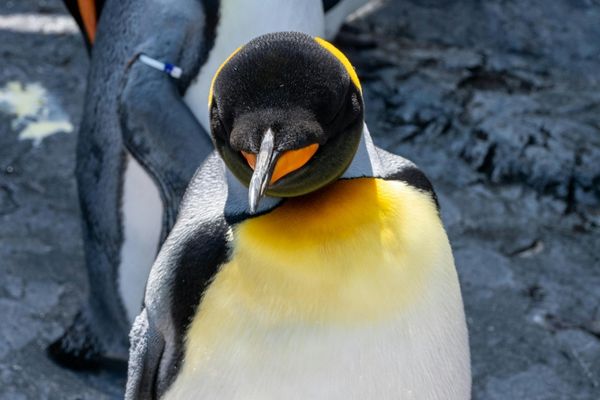
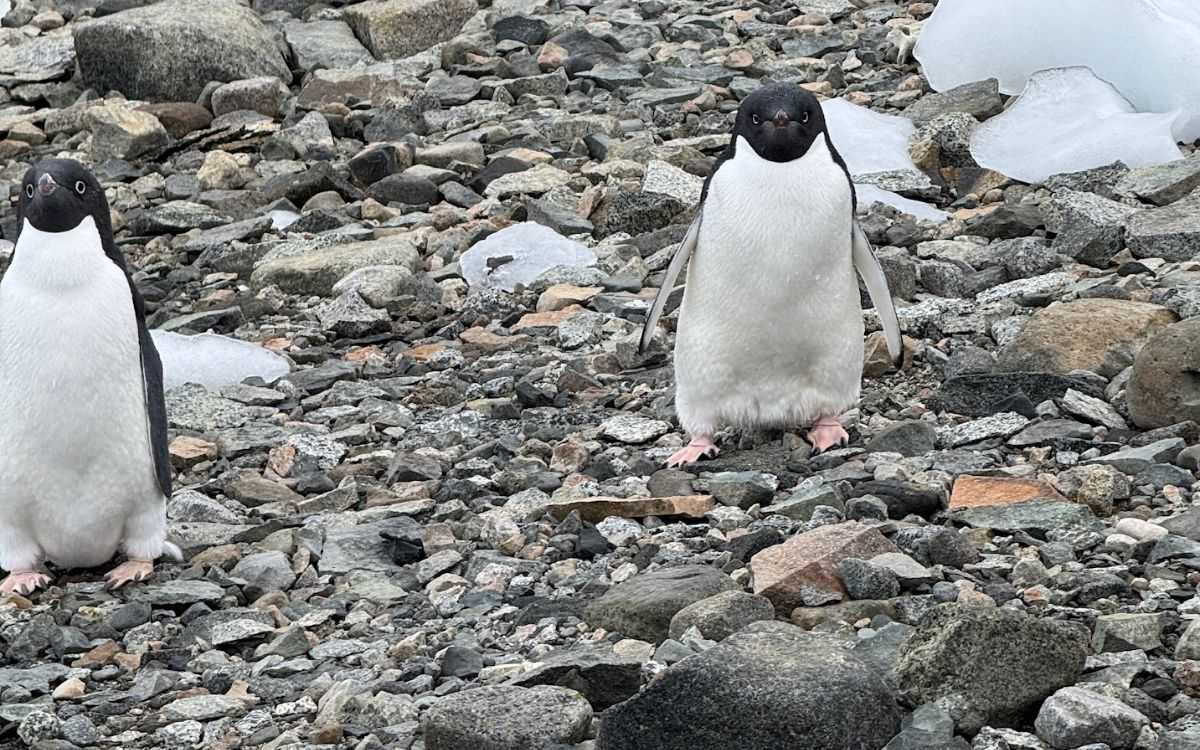
Later on Saunders Island’s silky beach I was enchanted by four species of penguins, including tall, elegant King penguins with golden‑treacle markings and crazed‑looking Southern Rockhoppers with bushy yellow eyebrows.
The expedition took us 1,400 kilometers southeast to South Georgia. Captain James Cook established British possession of the island through his 1775 claim which he made on behalf of King George III. Deep in the Southern Ocean, the island is linked to Ernest Shackleton’s exploits from his 1914‑16 Antarctic expedition. Shackleton and his 27 men escaped from their sinking ship Endurance to reach Elephant Island before he undertook a 17-day lifeboat journey in the James Caird to South Georgia where he sought help at a Norwegian whaling station.
South Georgia existed without any animal presence throughout the period when Shackleton operated in the region. Sealers and whalers had decimated penguins and fur seals, and hunted nearly all whales that fed in the krill‑rich coastal waters. The last whaling station ceased operations in the mid-1960s because the whale population had dwindled to such low numbers.
The wildlife of South Georgia experienced a complete recovery after whaling ceased operations in 1986 while Britain established a marine protection zone to tackle over-fishing.
The four-day journey along the coast revealed my fascination with orcas and blue whales. The largest blue whale caught here measured 110 feet (33.58 metres) in 1912. “They’re coming back since their decimation but reproduce slowly so it’s uncommon to see them,” said Annette Bombosch, our ship’s science expert.
We left the ship twice daily to explore St Andrews Bay and other beaches where King penguins gathered in massive numbers. “There are 175,000 pairs here. Our ornithologist Dan Brown confirmed the colony would reach 450,000 penguins which would create the biggest penguin colony ever recorded on Earth. At Jason Harbour, doe‑eyed seal pups splashed and play‑fought in the surf. South Georgia used to have less than 1,000 penguins but now it boasts five million. Nature shows what it can do when humans stay away," Dan explained.
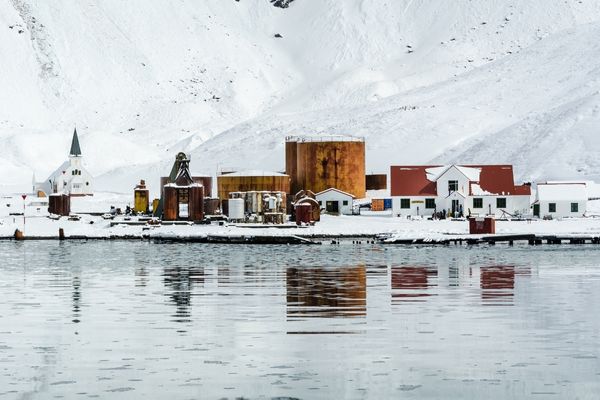
The abandoned Grytviken whaling station exists in a mountain-protected bay which Shackleton visited frequently. We landed alongside abandoned whaling ships and empty whale‑oil drums to visit a great little museum run by seasonal staff from the Dundee‑based South Georgia Heritage Trust, which also runs a gift shop and post‑office. The postcard I sent from South Georgia for £5 would take several months to reach England because the island lacks an airport.
Shackleton died here of a heart attack in 1922 on the cusp of another Antarctic adventure. I strolled to the cemetery where his imposing Edinburgh‑granite headstone faces south towards Antarctica. The inscription contains a line from his preferred poet Robert Browning who stated: "I believe a person should fight with all their might for their chosen goal in life". His long‑suffering wife, Emily, whom he was hardly faithful to, insisted his body should not be repatriated to Britain because his soul would rest easier on South Georgia.
The way I see it Shackleton and I redirected our focus to Antarctica which lies two days further south. The Antarctic Peninsula which used to be known as the British Antarctic Territory contains active British research stations together with historic bases that the UK Antarctic Heritage Trust manages.
After a boisterous 48‑hour crossing we glimpsed Elephant Island, capped by glaciers and clogged by blue‑tinged icebergs. The captain of our ship directed us to see the deserted pebble beach where Shackleton's crew survived for 137 days while using overturned lifeboats to hunt penguins during a powerful sea storm. The 137-day survival of these extremely ill men in this location defies human understanding. I can only imagine their joy on 30 August 1916 when Shackleton arrived on a steamboat borrowed from Chile to end their ordeal.
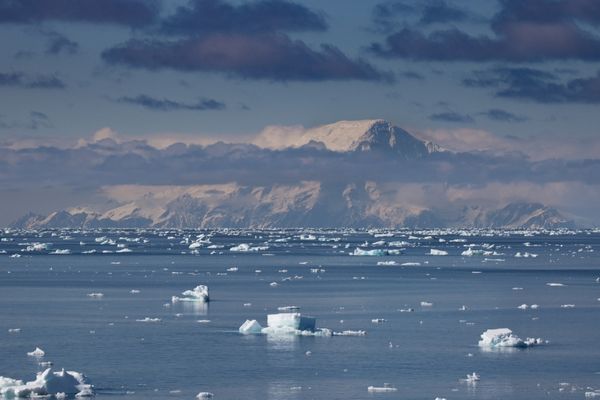
The Antarctic Peninsula provides the snow-covered mountains and stunning bays which attracted British explorers to this extraordinary wilderness. The researchers observed penguin colonies during their fieldwork while humpback whales produced their distinctive sounds which stayed suspended in the cold atmosphere like dew droplets.
Among the historic bases is Port Lockroy on Goudier Island. The Union Jack stands above the colony of gentoo penguins who line up in front of three small huts. The UK Antarctic Heritage Trust preserves Base A which Britain constructed in 1944 during Operation Tabarin to enhance its Antarctic presence.
Kicking snow off my boots, I entered the main building, which looked as if the former science personnel had packed up yesterday. In the small kitchen are out‑of‑date Lyle’s Golden Syrup tins plus a cookbook with recipes for penguin fricassee. The woollen clothing on the bunks showed an all-male environment because the walls displayed British film icon Diana Dors in risqué murals.
The base operates during summer months when six seasonal volunteers staff the Penguin Post Office. Port Lockroy functions as a "living museum" which allows visitors to experience the history of British Antarctic scientific exploration based on George Clarke's description. The 34-year-old Bristolian volunteer George Clarke who pitched circus tents for British music events leads the "living museum" at Port Lockroy. The post-master position in Antarctica seemed impossible yet each day here has brought new adventures.
I beat George home for sure. After three weeks at sea we battened down the hatches and sailed into the infamous wild Drake Passage back to Ushuaia. The channel received its name from Sir Francis Drake who discovered it during 1578 when strong winds pushed him down to Antarctica. The first incursion of what would become a surprisingly strong British influence, seen during a thrilling cruise amid icebergs and Union Jacks.