Antarctica remains one of the most enigmatic and least explored regions on Earth, drawing a limited number of visitors each year. The continent comprises four distinct regions, each offering unique landscapes and wildlife encounters.
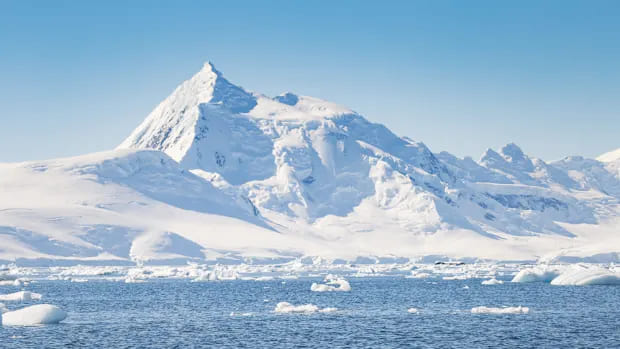
Regions of Exploration
Travelers can explore:
-
South Georgia: Known for its snowy peaks and towering glaciers, this region is home to vast colonies of king penguins.
-
The Antarctic Peninsula: Serves as the primary access point, featuring extraordinary wildlife after a crossing of the Drake Passage.
-
Antarctica’s Extreme South: Characterized by colossal ice shelves and emperor penguins, this area presents opportunities for off-the-beaten-path adventures.
-
The Subantarctic Islands: Often referred to as the "Galapagos of the Antarctic Ocean," these islands host numerous endemic plant and animal species.
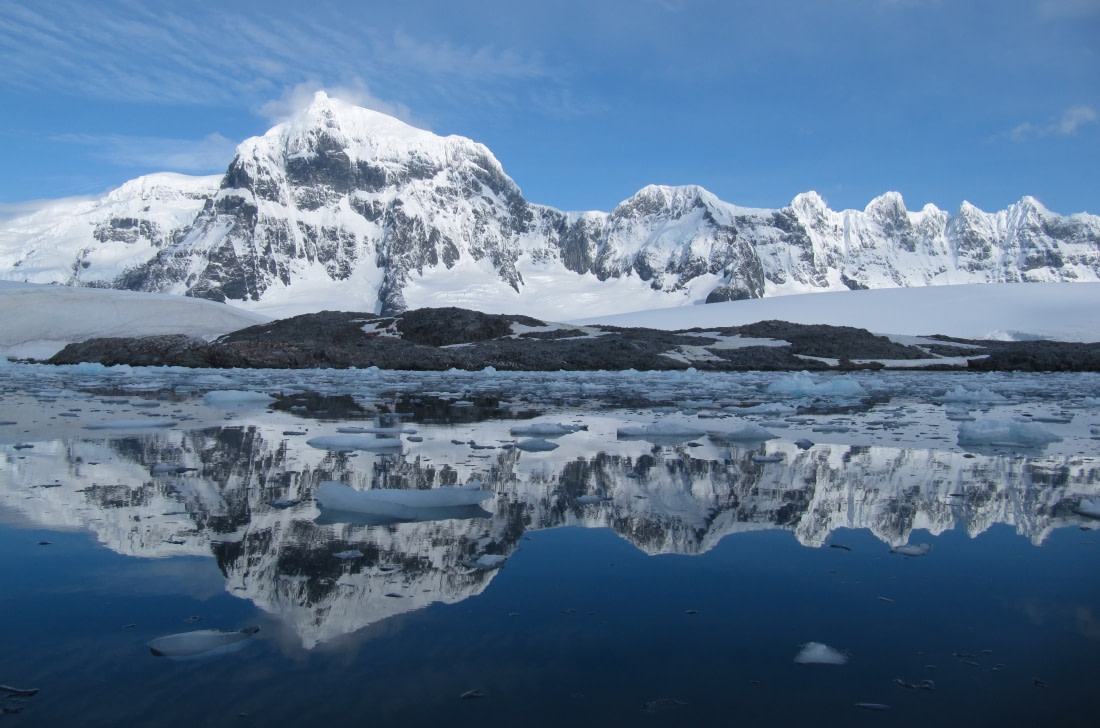 Ushuaia Roundtrip 14 Nights | Polar Cruises
Embark on a 14-night cruise from Ushuaia to witness breathtaking wildlife, from playful penguins to majestic seals, in the heart of Antarctica.
Request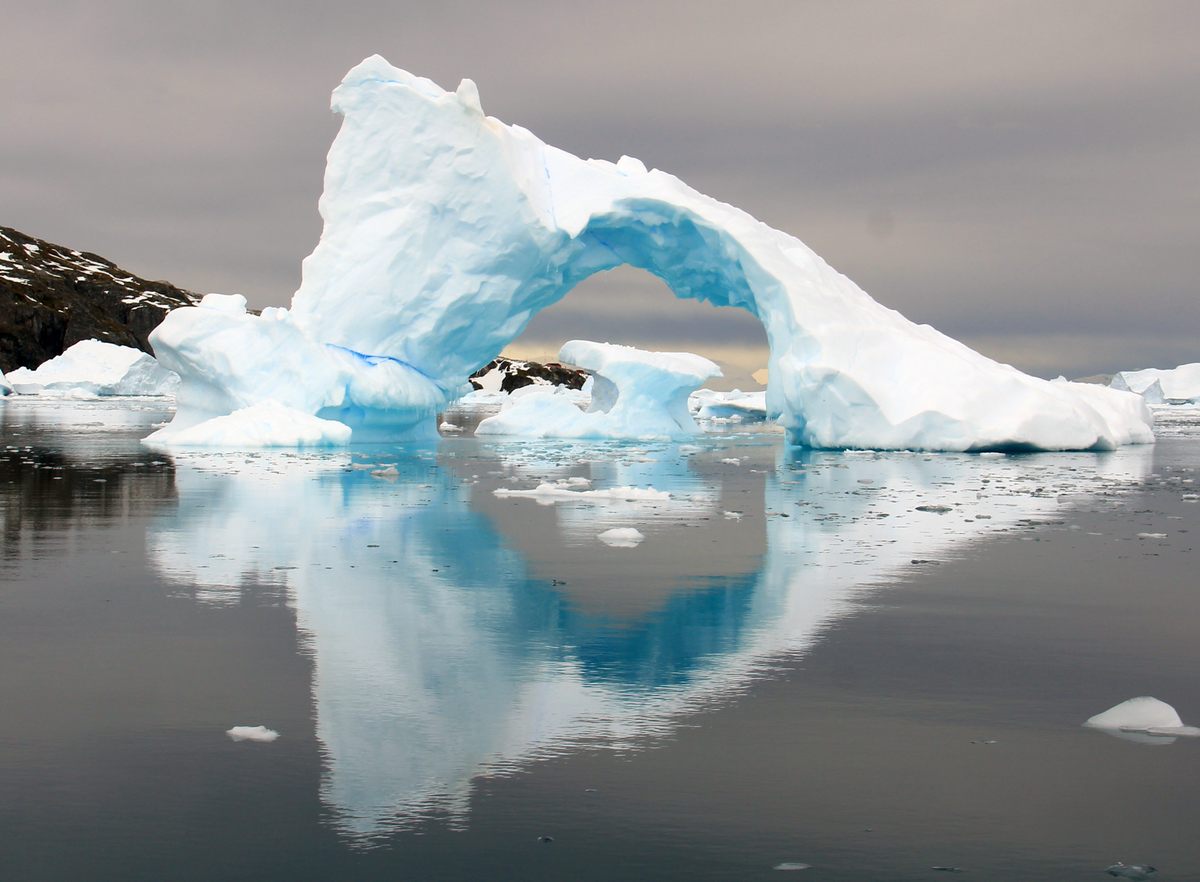 Classic Antarctica Air-Cruise | Polar Cruises
Embark on the Classic Antarctica Air-Cruise, exploring stunning icebergs and meeting playful penguins on this unforgettable expedition along the Antarctic Penin
Request Last stop before the North Pole | Polar Cruises
Embark on a breathtaking Svalbard expedition cruise, witnessing stunning glaciers and unique wildlife like polar bears, whales, and walruses in their natural ha
Request
Ten Surprising Facts About Antarctica
Antarctica is known for its stunning landscapes but offers many unexpected facets:
-
Active Volcano: Mount Erebus, on Ross Island, is the southernmost active volcano, last erupting in the late 1960s.
-
Time Zones: There are no official time zones; research stations adhere to local or funding country time.
-
World's Largest Desert: With less than 50 mm of precipitation annually, Antarctica is classified as a desert, having been snow-free in parts for over 2 million years.
-
Birth and Claims: Argentina attempted to establish claims on the continent by sending a pregnant woman there in 1977, resulting in the birth of the first-known human on the continent.
-
Mild Summer Temperatures: Antarctic cruises operate from November to March, with temperatures along the peninsula typically ranging from -2 °C to 2 °C.
-
Chilean Settlement: Villa Las Estrellas, located 120 km from the peninsula, is a civilian settlement with a summer population of about 150.
-
Unfrozen Lakes: Approximately 300 underground lakes exist, maintained above freezing due to geothermal heat.
-
No Reptiles: The cold climate prevents reptiles from inhabiting the continent, allowing penguins to thrive unbothered.
-
Massive Ice Reserves: Antarctica holds about 90% of the world's ice, which equals 75% of the Earth's freshwater.
-
Dynamic Landscapes: Monthly experiences vary, with unique wildlife activities from mating rituals in November to whale sightings in late summer.
Given its extreme environment and ecological importance, Antarctica continues to be a subject of scientific research and exploration. It is accessible primarily during the summer months, providing a window for those seeking to experience its stark beauty and diverse wildlife.